
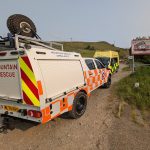
CALLOUT 12 – Call to assist NWAS with a casualty near to Brierfield
April 6, 2026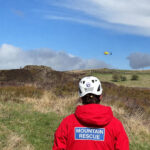
CALLOUTS 13, 14, 15 & 16
April 27, 2026
What to Do If You Get Lost on a Hill in the UK
Getting lost on a hill or mountain in the UK is more common than many people expect. Areas such as Pendle Hill, the Rossendale Valley, and wider Lancashire moorland can quickly become disorienting, especially in poor weather. Even experienced walkers can lose their bearings when visibility drops or routes become unclear. Knowing exactly what to do if you get lost can make a critical difference to your safety.
Stay calm and stop moving
The first and most important step is to stop. Continuing to walk without knowing your location often makes the situation worse. It is natural to feel anxious, but staying calm allows you to think clearly and make better decisions. Take a moment to assess your surroundings and avoid rushing into action.
Try to identify your location
If you have a map and compass, use them to determine your position. Look for identifiable features such as paths, walls, streams, or landmarks. In areas like Pendle Hill, features can look similar in low visibility, so take your time to confirm what you are seeing.
If you are using a mobile phone, GPS apps can help, but do not rely on them entirely. Signal can be unreliable in upland areas across Lancashire and the North West. If you do get a location, note it down or take a screenshot in case your battery runs low.
Retrace your steps if it is safe
If you recognise the route you came from and conditions allow, carefully retrace your steps. This can often lead you back to a known path or landmark. However, avoid doing this if it involves steep or hazardous terrain, especially in poor weather.
Use the STOP method
A useful approach is the STOP method
Stop
Think
Observe
Plan
This structured way of thinking helps prevent panic and ensures you consider your next steps carefully.
Call for help when needed
If you cannot safely find your way, call for help. Dial 999 and ask for Police, then Mountain Rescue. Provide clear details about your situation, including
Your name and number
How many people are with you
Your last known location
Any injuries or medical issues
Teams like Rossendale and Pendle Mountain Rescue Team are trained to respond quickly and effectively. Calling early is always better than waiting until the situation worsens.
Make yourself easy to find
Once you have called for help, stay in one place if it is safe to do so. Moving makes it harder for rescuers to locate you. Use bright clothing, a torch, or your phone screen to increase visibility. If you have a whistle, use it in short bursts.
Conserve energy and stay warm
Exposure to cold and wind is a serious risk in the UK uplands. Put on extra layers, find shelter if possible, and keep moving gently to maintain warmth. Avoid sweating, as this can make you colder later.
Avoid common mistakes
Many incidents attended by mountain rescue teams involve simple errors
Continuing to walk in the wrong direction
Relying entirely on a phone
Not carrying basic navigation tools
Underestimating the weather
Recognising these risks can help you avoid them.
Prevention is always better
The best way to deal with getting lost is to prevent it
Plan your route in advance
Check weather conditions
Carry a map and compass
Tell someone where you are going and when you will return
Bring appropriate clothing and supplies
Walking in areas like Rossendale, Pendle, and the wider Lancashire hills can be extremely rewarding, but preparation is essential. Rossendale and Pendle Mountain Rescue Team regularly assist walkers who have simply been caught out by changing conditions. Taking a few simple precautions can make your day safer and more enjoyable.


